Security, accessibility, and utility: what do we expect from technology?
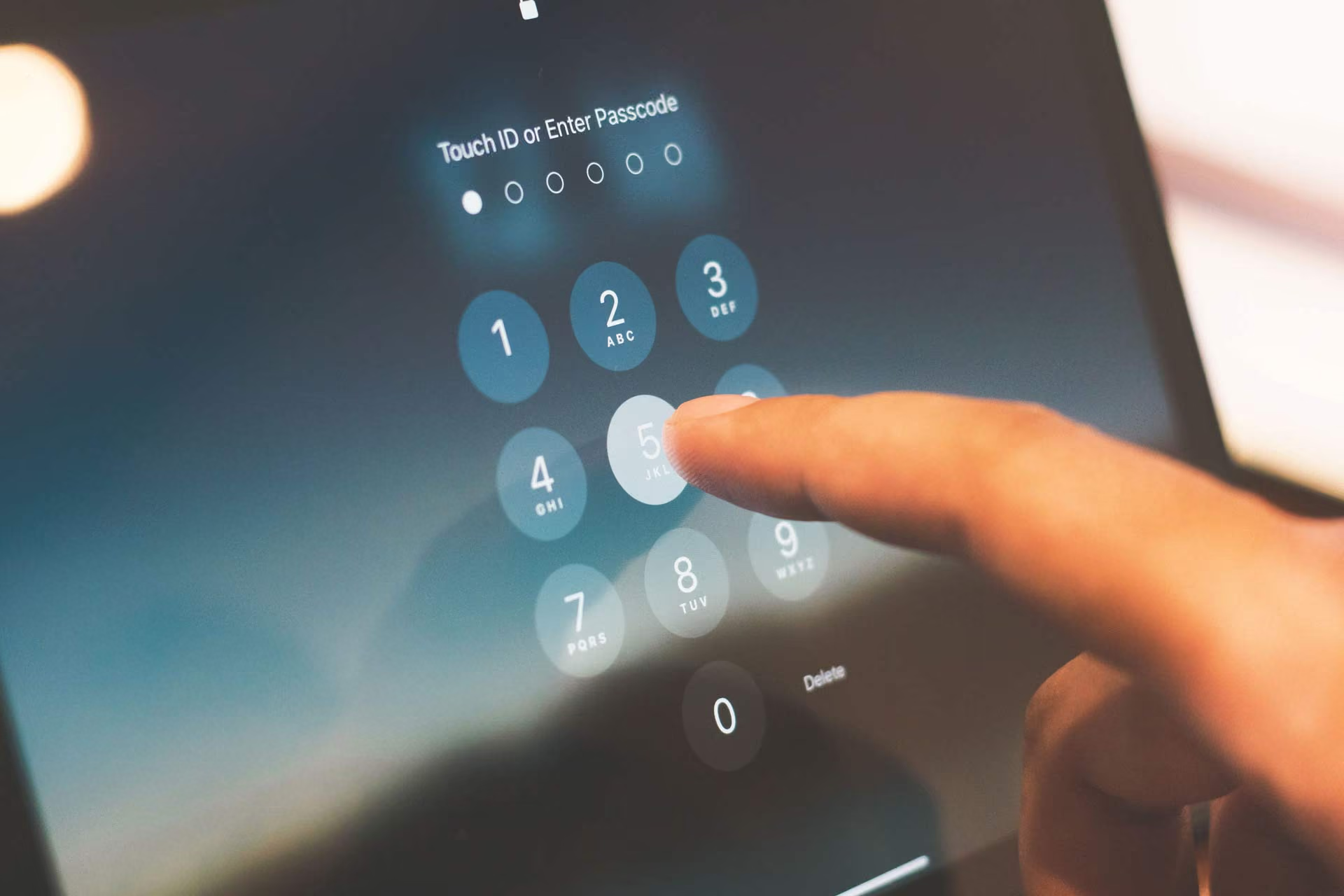
Technology occupies more and more space in our daily lives, but its advancement is also changing what we expect from it. The latest data from the European Commission shows that Spaniards rank online privacy and security, universal access, and everyday utility among their top digital priorities. We analyze what this data tells us about our relationship with technology, the role of digital skills, and how we can navigate an increasingly connected environment more securely.
Digitalization is already part of many activities we perform almost without thinking. We handle administrative tasks, check our bank accounts, shop, work, communicate, and access all kinds of services through a screen.
In Spain, this integration of technology coexists with a fairly positive assessment of our digital capabilities. According to the latest Eurostat data, in 2025, 66.5% of the Spanish population possessed basic or advanced digital skills, compared to the European Union average of 60.4%.
However, using more technology also means we pay closer attention to the conditions under which we want to use it. According to the 2026 Digital Decade Special Eurobarometer, 92% of Spaniards consider the protection of online privacy and security a priority for the next decade. Following this are ensuring access to digital tools for everyone, cited by 90%, and using technology to make daily life easier, at 87%.
This data paints a picture of a relationship with technology that seems to be moving toward a new standard: it is no longer enough to simply have more digital solutions. We also expect them to be accessible, to provide real utility, and to be used with safety and confidence.
Technology accessible to everyone
Access to technology opens up opportunities to stay informed, learn, work, communicate, or handle tasks more easily. But being able to access a tool does not necessarily mean having the knowledge required to make the most of it.
This is where digital skills come into play. Knowing how to search for and evaluate information, communicate in digital environments, protect our data, or solve problems with new tools are increasingly necessary capabilities for navigating the world independently.
Spain is above the European average in basic digital skills, as we saw at the beginning of this article, but there is still room for improvement. Furthermore, as new technologies emerge, those capabilities must also evolve.
That is why digital accessibility has a dual dimension: tools must be within people's reach, and people must have the necessary knowledge to use them. Lifelong learning thus becomes an important piece in preventing technological evolution from creating new divides.
Useful technology: when digitizing also means simplifying
Accessing technology and knowing how to use it is only part of the equation. We also expect it to help us solve specific needs and simplify activities that are part of our daily lives.
We see this when we can complete a task without traveling, access information quickly, automate a repetitive chore, or use a service exactly when we need it. In these cases, the value of technology lies not only in the process being digital, but in the improvement it provides to the user.
This perspective is also relevant for companies, startups, and administrations. Incorporating a new tool or digitizing a service makes more sense when it stems from a specific need and succeeds in reducing friction, improving accessibility, or creating a simpler experience.
At a time when technological possibilities are constantly growing, utility can become one of the best criteria for deciding where to innovate. The question is no longer what we can do with technology, but rather what we can do better thanks to it.
Security and privacy: trust as a starting point
Alongside access and utility, a third, especially relevant issue emerges: trust. The greater our digital activity, the greater the amount of information we share and manage through different services.
Personal, financial, or professional data are part of a digital footprint that requires increasing attention. And this concern also extends to the technologies we are adopting most rapidly.
According to the 2026 Digital Decade Eurobarometer, privacy and data protection are the primary concerns for Spaniards regarding the use of generative artificial intelligence tools. Beyond any specific technology, this data reflects a fundamental issue: we want to take advantage of the possibilities offered by new tools, but we also need to trust the conditions under which we use them.
Understanding what information we share, how it can be used, and identifying potential risks is also part of our digital literacy. Security, therefore, ceases to be solely a technological issue and becomes a shared responsibility between those who develop services, the organizations that offer them, and the people who use them.
How to protect our information in our daily lives
This responsibility also translates into small habits we can adopt when using devices, apps, and online services. Organizations such as the National Cybersecurity Institute (INCIBE) and the Spanish Data Protection Agency (AEPD) offer recommendations to reduce risks and maintain greater control over our information.
Some basic guidelines include:
- Using strong, unique passwords for every service and enabling two-step authentication whenever possible.
- Being wary of unexpected or urgent messages requesting personal data, credentials, or payments, especially before clicking on any link.
- Keeping devices and apps updated, as updates help patch security vulnerabilities.
- Reviewing permissions and privacy settings for apps and services, and sharing only the necessary information.
- Verifying the source of a communication through official channels whenever we have doubts about its authenticity.
It is not about being suspicious of every digital interaction, but rather about incorporating habits that allow us to use technology with greater awareness and control.
Technology we can trust
Accessibility, utility, and security address different needs, but they are closely related. Technology that is difficult to use can leave people behind; a tool that does not solve a need will struggle to provide value; and a solution that does not adequately protect our information can breed distrust.
As digitalization continues to advance, our relationship with technology will also continue to evolve. The challenge will be to ensure that this progress translates into solutions that we can understand, use, and leverage with confidence.
Because perhaps the true measure of technological progress lies not only in everything technology is capable of doing, but in what it enables people to do better.
Frequently asked questions about what we expect from technology
What do Spaniards expect from technology?
According to the 2026 Digital Decade special Eurobarometer, the three digital priorities for Spaniards for the next decade are the protection of privacy and online security (92%), ensuring access to digital tools for everyone (90%), and using technology to make daily life easier (87%).
How do Spain's digital skills compare to the rest of Europe?
According to Eurostat, 66.5% of the Spanish population possessed basic or advanced digital skills in 2025, compared to the European Union average of 60.4%. Spain is above the average, though there is still room for improvement, and skills must evolve with every new technology.
What are digital skills?
They are the abilities that allow you to navigate digital environments independently: searching for and evaluating information, communicating online, protecting your data, and solving problems using new tools. Having access to technology is not enough if you lack the knowledge required to make the most of it.
What is the main concern for Spaniards regarding generative artificial intelligence?
Privacy and data protection. This is highlighted in the 2026 Digital Decade Eurobarometer, which reflects an underlying issue: we want to take advantage of the possibilities offered by new tools, but we need to trust the conditions under which we use them.
How can I protect my personal information in my daily life?
By following the basic guidelines recommended by INCIBE and the AEPD: use strong, unique passwords for every service with two-factor authentication, be wary of unexpected or urgent messages requesting data or payments, keep devices and applications updated, review privacy permissions, and verify suspicious communications through official channels.
Because perhaps the true measure of technological progress lies not only in everything technology is capable of doing, but in what it enables people to do better.