How to live with technology in the home and improve well-being
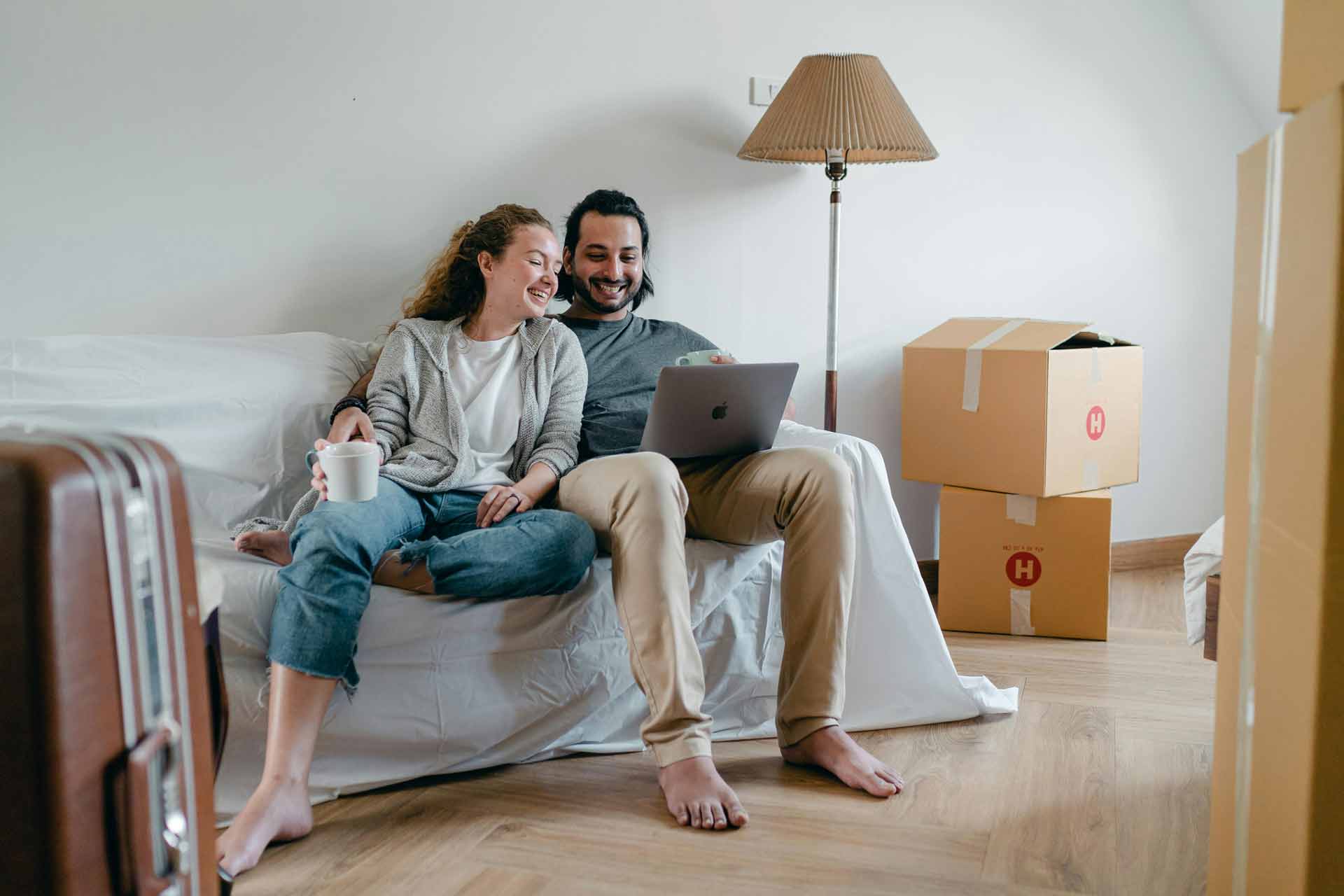
La technology forms part of the home in an increasingly integrated way. Screens, virtual assistants, smart appliances and digital platforms coexist with everyday routines such as rest, work or leisure. This transformation not only changes spaces, it also redefines the way in which people relate to each other and to their closest environment.
Organizations such as Eurostat or the National Statistics Institute have been reflecting a steady increase in internet access and the use of digital services in European homes for years, a trend that shows the extent to which connected devices are already part of everyday life at home. Spain is following this trend with a steady increase in internet access, teleworking and digital consumption within the home. The result is a more efficient home environment, but also more demanding in terms of time management and attention.
The digital home as a new center of life
The home has ceased to be an exclusively private and disconnected space. Today it functions as a multifunctional center where professional, personal and social activities overlap. This overlap creates clear opportunities, but it also requires greater organizational capacity.
Technology makes it possible to optimize everyday tasks with home automation systems, control energy consumption in real time or facilitate communication with family and friends. Reports from the International Energy Agency suggest that smart homes can reduce energy consumption through more accurate resource management.
However, this integration also introduces a sense of constant availability. El work can extend beyond regular hours and leisure is fragmented between multiple digital stimuli. The challenge is no longer to incorporate technology, but to define how it is used in daily life.
Time organization and new routines
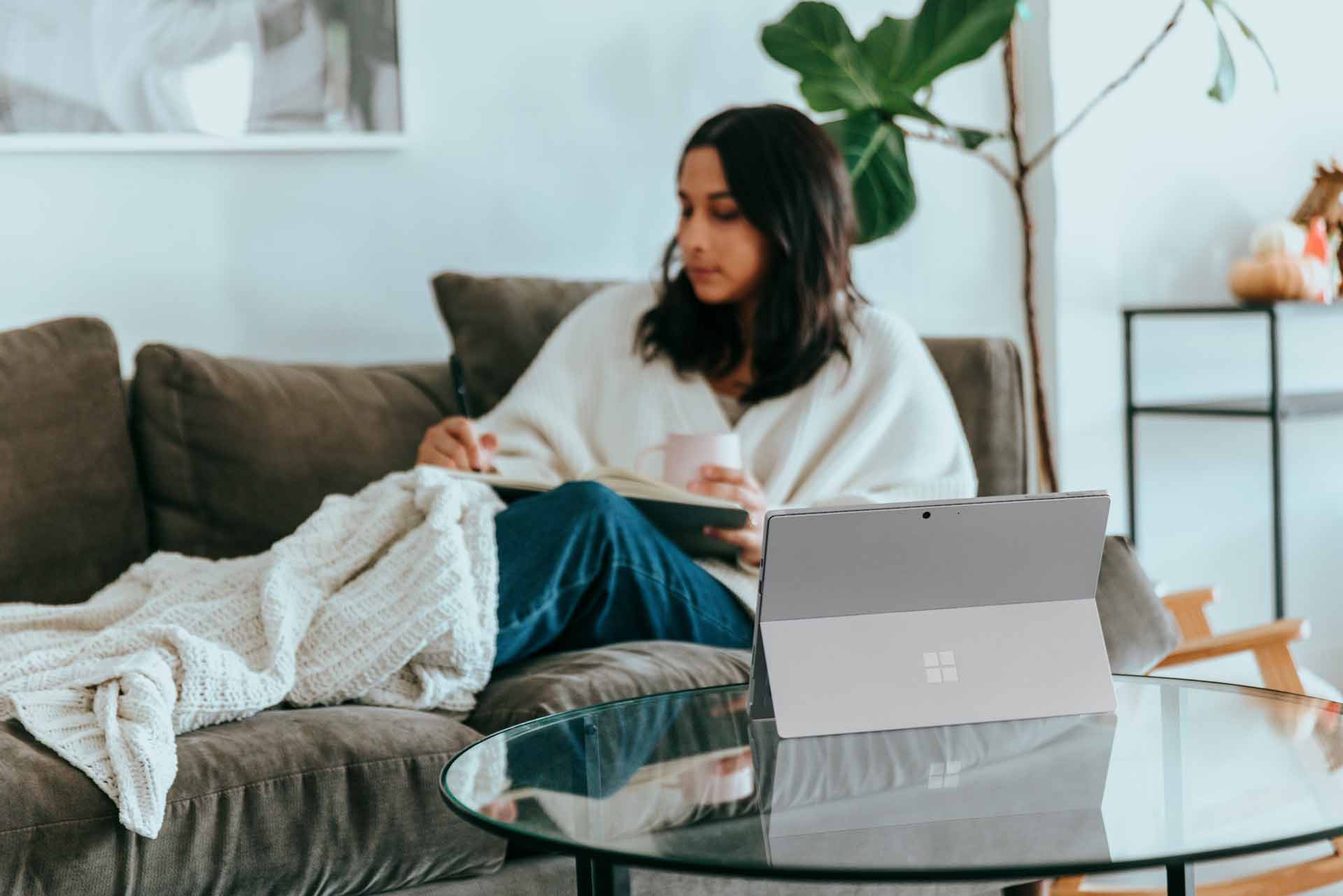
Living with technology has a direct impact on the structure of everyday life. Notifications, emails and continuous access to information create a dynamic in which it is easy to lose focus.
Several studies from the World Health Organization and the OECD highlight the importance of establishing clear limits on the use of devices to protect mental health and rest. The key is to design routines that integrate technology without setting the pace of the whole day.
Then, from Santalucía Impulsa we have compiled some practical tips:
Differentiated spaces within the home
An effective strategy is to assign specific functions to each space. The living room can focus on shared leisure, the bedroom on rest and a specific area on work. This organization promotes disconnection and improves the quality of each activity.
Conscious digital schedules
In the same way, setting screen-free times of day allows you to regain attention and reduce digital fatigue. The pre-rest fringes are especially sensitive. Reducing exposure to devices during those hours improves sleep quality according to multiple clinical studies.
Technology at the service of well-being
When used wisely, technology provides tangible benefits in quality of life. Health applications, monitoring devices or educational platforms expand the possibilities of personal care and development.
The rise of virtual assistants or automated systems facilitates repetitive tasks and frees up time for higher-value activities. This efficiency has a direct impact on the perception of well-being within the home.
In turn, access to training and cultural content makes it possible to enrich time at home. From online courses to immersive experiences, technology expands access to knowledge without the need for travel.
Personal relationships in a connected environment
Technology also redefines the way people interact within the home. The constant connection with the outside world can coexist with moments of internal disconnection if there is conscious management.
The sharing of the technology, such as watching content with the family or participating in joint digital activities, reinforces bonds. At the same time, it is important to preserve conversation spaces without digital interference.
Studies by entities such as Common Sense Media highlight that the quality of time spent together has a greater impact than quantity. In this context, technology acts as a tool that can strengthen or dilute relationships depending on their use.
Towards a sustainable balance in the digital home
Technological advancement within the home will continue in the coming years. The integration of artificial intelligence, the growth of the Internet of Things and automation will continue to transform domestic life.
The difference will be in each household's ability to establish balance. Integrating technology with intention allows you to take advantage of its advantages without losing control over time, attention and relationships.
Living with technology implies taking an active role in its use. It is not a matter of limiting their presence, but of orienting them towards clear objectives. A connected home can also be a space for well-being, provided that decisions about its use respond to the real needs of those who live there.