Five startups that are reinventing how we live longevity

The silver economy as an engine of innovation
The aging of the population is one of the great demographic changes of the 21st century. This new scenario is driving a wave of innovation known as Silver Economy, an ecosystem of companies and startups that develop products and services specifically designed to improve quality of life in maturity. From technology that makes life easier at home to platforms that promote socialization or personalized care, the goal is the same: To live longer with more well-being and autonomy.
Longevity as an opportunity for startups and technology companies
In recent years, numerous initiatives have emerged in this area. Some are born of technology. Others are based on a very specific social need. They all share the same basic idea that longevity is a challenge, but also an opportunity to innovate.
These are five startups that are developing solutions designed for older people.
Honorated AI. Emotional technology to combat loneliness
Onorato AI is one of the most unique projects within the innovation ecosystem oriented to longevity. The startup has developed a robotic mascot in the shape of a parrot that uses artificial intelligence to accompany elderly people who live alone at home.
Conversational AI and cognitive assistance for older adults
The device recognizes voice, face and movement to interpret and adapt to the user's emotional state. You can remember taking medications, detect falls, propose cognitive exercises, or simply hold a conversation to keep company. All this connected to a mobile application that allows family members and caregivers to receive alerts and follow the situation in real time.
The idea was born from personal experience. Its founder developed the project after taking care of his father, with the objective of creating a technology that would combine security, company and autonomy in the home.
Durcal: discrete devices for autonomy and safety
Durcal is committed to a more discreet but equally useful innovation. Its main product is a smartwatch designed specifically for the elderly.
Wearables designed for independence in the home
This device incorporates GPS geolocation, fall detector and an emergency button that allows you to ask for help at any time. In the event of an incident, it sends an immediate alert to family members or emergency services, also providing the exact location of the user.
The logic behind these types of solutions is simple. Many older people want to maintain their independence and continue with their daily lives. Technology can provide an invisible safety net that brings peace of mind to both those who use it and their families.
Qida. Professionalize home care
Other startups are reinventing essential services. This is the case of Qida, a Spanish company that offers professional home care for the elderly or in situations of dependency.
Hybrid models of human care and technology
Its model combines human care and technology to coordinate personalized services in the home. Each person is continuously monitored by professionals who evaluate their needs and adjust the care plan over time.
The objective is to allow people to stay at home as long as possible, with quality care and professional support. This approach responds to a growing trend. Most older adults prefer to age in their own home rather than move to a nursing home.
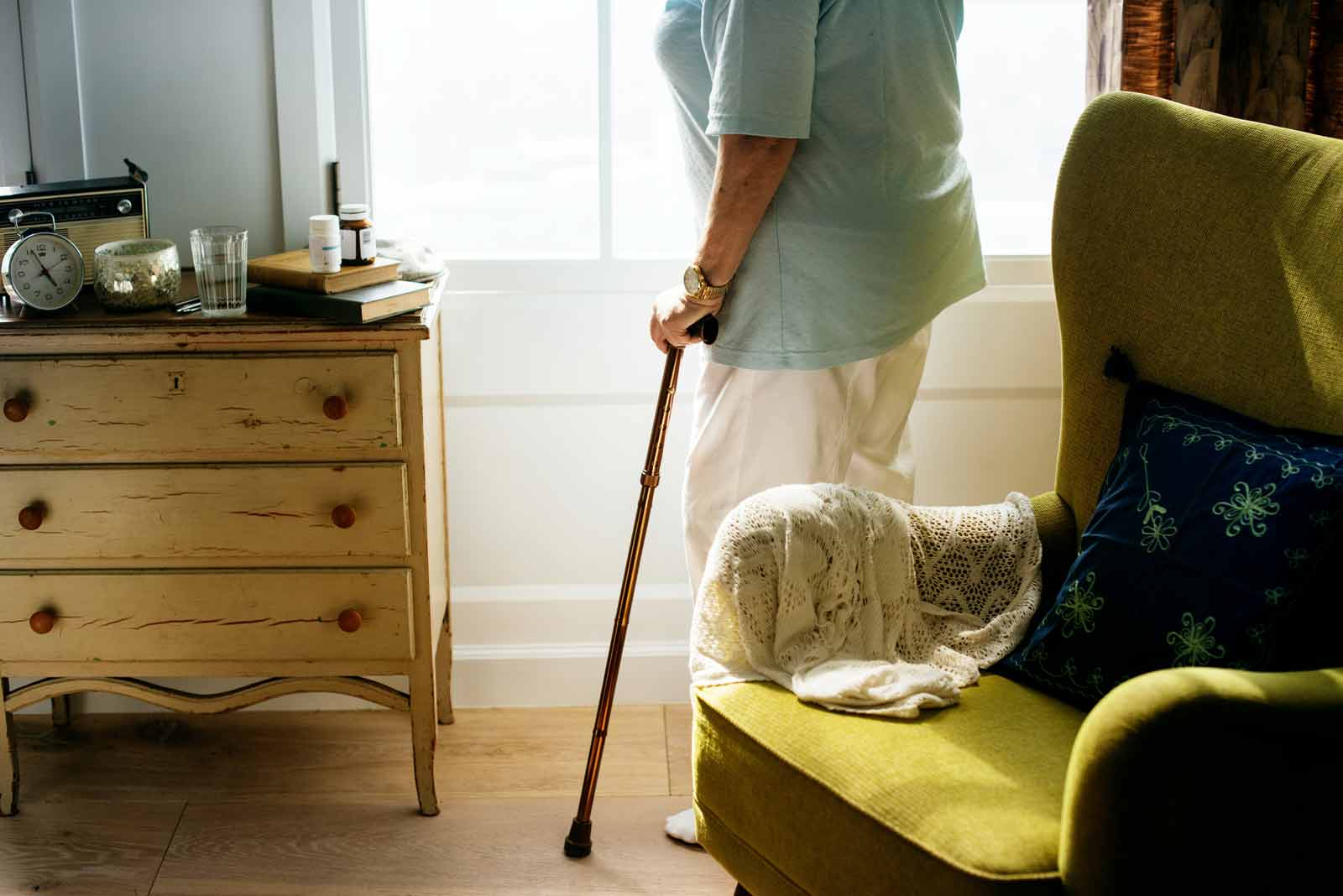
Startups-longevity-silver-economy
Vermouth: socialization and active aging
Active aging also has a lot to do with leisure, socialization and continuous learning. In this area, Vermut operates, a digital platform that connects people over 55 years of age through cultural, educational and leisure activities.
Digital platforms that connect people over 55
Through their application or website, users can sign up for workshops, excursions, courses or meetings with other people who share similar interests. The platform works as a meeting point that combines social network and Marketplace of activities.
The idea responds to an obvious reality. Today's generations over 55 have active lives, diverse interests, and growing familiarity with technology. Digital platforms are beginning to adapt to this new vital phase.
A New Generation of Services for Longevity
The development of these startups reflects a profound change in the way society understands aging. For decades, technological innovation focused almost exclusively on younger generations. Today the focus is beginning to widen.
The call Silver Economy ranges from healthcare technology to leisure platforms, financial services or housing solutions. And everything suggests that it will continue to grow in the coming years.
Longevity as a new demographic normal
The reason is simple. Longevity is no longer a demographic exception, but a new normal. And with it, a key question arises for companies, institutions and entrepreneurs: How to build a society in which living longer also means living better? In this challenge, innovation has a lot to contribute. And many of the answers are starting to come from the startup world.