The role of pets in people's emotional health

The relationship between pets and emotional health begins in something very concrete, daily life. Caring for an animal introduces companionship, routine, movement and a form of bonding that many people perceive as stable and restorative.
The available evidence points in this direction, although it requires a balanced reading. The benefits exist, but they work best when they are understood as part of a larger context of well-being, along with personal relationships, healthy habits and professional support when necessary.
Stress, calm and emotional regulation
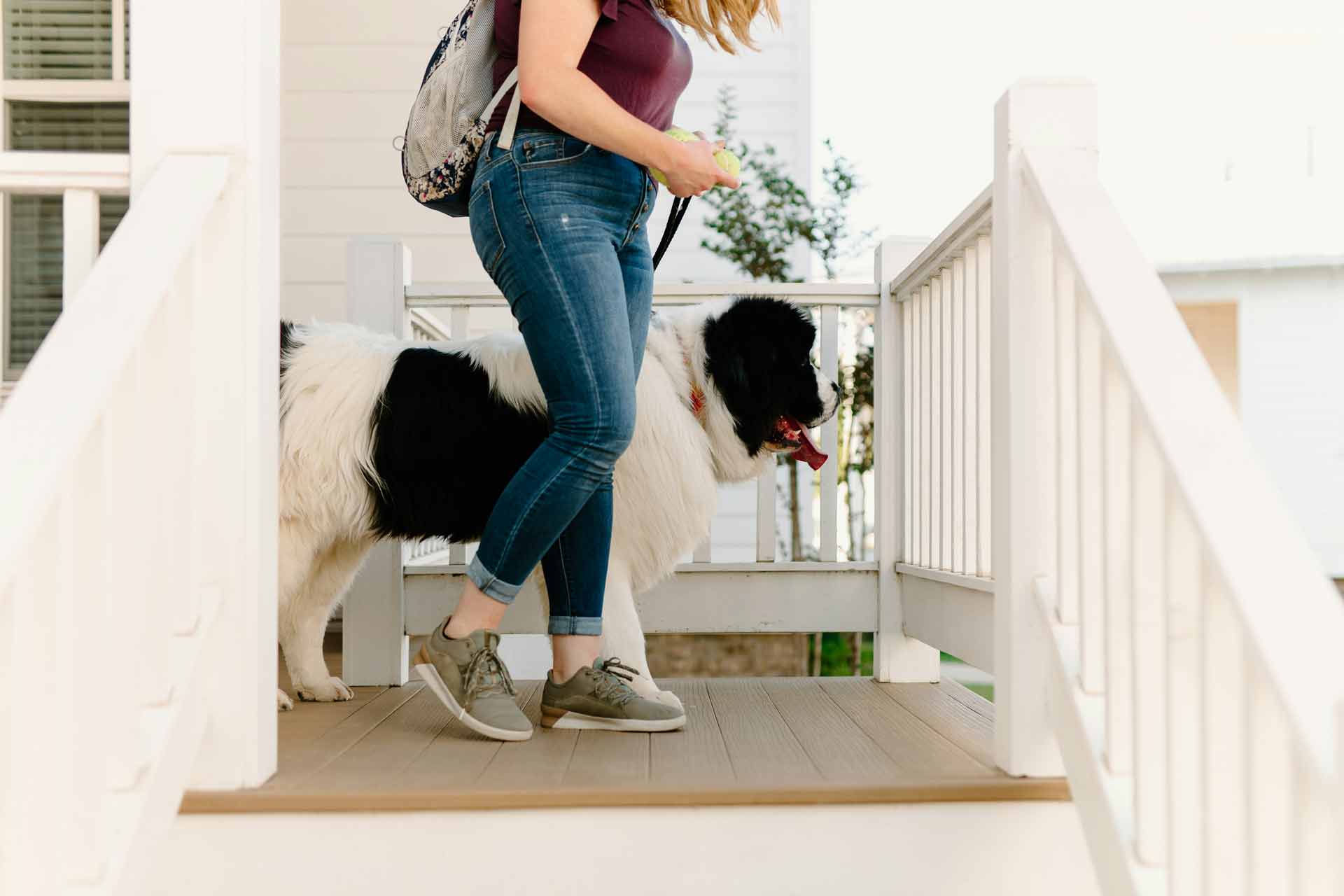
The most immediate effect usually appears in the management of stress. Interacting with a pet forces you to slow down. Taking her out for a walk, playing or simply paying attention to her introduces real breaks within the day.
That change of focus has consequences. The mind moves from constant concern to concrete action. The body also responds because it relaxes, reduces tension and adapts to a slower pace. It doesn't have to be a long moment, but the daily repetition of these small spaces is what ends up generating a cumulative effect on well-being.
In addition, caring for a pet introduces structure. There are schedules, responsibilities and needs to be addressed. This organization, which may seem basic, has a clear impact on emotional stability, especially in stages of uncertainty or personal change.
Movement, habits and general well-being
Emotional well-being rarely depends on a single factor. Physical activity, The break, social relationships and the organization of the day directly influence how we feel. In that sense, pets can act as facilitators of healthy habits.
In the case of dogs, daily walking promotes movement, outdoor exposure and contact with other people. The American Heart Association relates living with pets to more exercise and to indicators associated with cardiovascular health, such as lower blood pressure or better cholesterol levels in certain settings.
This does not mean that any pet will automatically produce an improvement in health. The effect depends on the type of animal, the link, the person's involvement and their circumstances. Even so, when care is integrated in a responsible way, it can contribute to a more active, orderly and emotionally stable life.
Animals trained to support specific needs
Beyond the usual coexistence, there are animals prepared to play a specific role in people's emotional well-being. They are assisted intervention pets.
Here the approach changes. It's not just about company, but about a definite job. These animals are trained to help in specific situations, such as managing anxiety, accompanying therapeutic processes or supporting people with special needs.
Its value lies in the combination of emotional attachment and technical preparation. They respond to stimuli, help regulate behaviors and provide a sense of security at times when the person especially needs it. Always within a supervised framework and with clear objectives.
Real benefits, but with clear limits
The emotional impact of pets is obvious, but it should be understood in moderation. An animal can accompany, help structure the day and provide calm, but it does not replace other pillars of well-being.
When all emotional responsibility is placed on the pet, the bond becomes unbalanced. Dependency, frustration or an expectation that the animal cannot meet may appear.
There is also a practical aspect that plays a role. Caring for a pet involves time, resources and long-term commitment. When these conditions are not well met, what should provide stability can become a source of tension.
A relationship that works when there is responsibility
The real value of pets in emotional health appears when the relationship is well built. When there is mutual care, when their needs are understood and when they are integrated into a life that already has some stability.
From there, its impact is clear. They provide company, generate routines, help to disconnect and reinforce well-being in everyday life. Not as a single solution, but as part of a larger balance.
There's the key. Not in what a pet can do on its own, but in how it fits into the way in which a person takes care of their own life.